What looks like a light layer can turn into a serious blockage
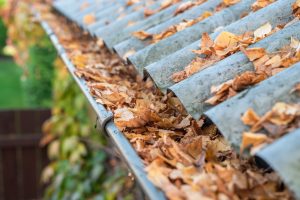
Spring doesn’t look like a heavy gutter season. There are no piles of leaves, no obvious buildup hanging over the edges.
But this is where many problems start.
If you’re wondering whether spring gutter cleaning matters, the answer is yes. Not because of large debris, but because of what you can’t easily see.
Why Spring Buildup Is Different
Fall fills gutters with leaves. Spring fills them with something harder to spot.
Pollen, seed pods, blossoms, and fine debris settle across your roof and wash into your gutters over time. On their own, they seem harmless. Together, they create a dense layer that restricts water flow without ever looking like a problem from the ground.
What Pollen Actually Does to Your Gutters
The issue isn’t the pollen itself. It’s how it behaves.
When pollen mixes with moisture, it forms a sticky residue that binds with other debris and builds into a sludge-like layer along the bottom of the gutter and inside downspouts. Water can still move through the system, but not efficiently. During steady spring rain, that reduced flow leads to overflow in areas that appear otherwise clean.
Why Homeowners Miss It
Spring gutter issues are easy to overlook because nothing looks obviously wrong.
- No visible piles or overflow
- No clear warning signs from the ground
- Gutters can appear “clean” at a glance
But inside the gutter, material is building slowly. By the time water starts spilling over, the system has already been restricted for a while.
Gutter guards also don’t eliminate this issue. Fine debris like pollen and seed material can pass through or settle on top, masking buildup underneath. From the outside, everything can still look clear while flow is already restricted.
Fine debris buildup creates problems that compound over time:
- Water moves more slowly through the system
- Downspouts begin to partially block
- Overflow shows up during heavier rain
- Water collects near the foundation or roofline
Left unchecked, this leads to moisture issues, wood rot, and added strain on the gutter system.
Spring buildup rarely causes immediate failure. It sets up the problems that appear later.
When to Clean Your Gutters in Spring
Most homes need one thorough spring gutter cleaning toward the end of the season. This clears out pollen, seed buildup, and any remaining debris from winter, and makes sure the system is ready for heavier summer storms.
If your home is surrounded by trees or sits in a high-wind area, check them earlier in the season as well.
What to Look For
You don’t need to see full gutters to have a problem. Watch for:
- Slower drainage during rain
- Water spilling in specific sections
- Downspouts that aren’t flowing as strongly as usual
Restricted flow often shows up in how the system behaves before it shows up visually.
How Ned’s Home Handles Spring Gutter Cleaning
Spring gutter cleaning includes a full flush of the downspout system, an inspection for wear and separation that winter can cause, and confirmation that water is moving freely before the heavy rain season starts.
When we leave, you’re covered. Every gutter cleaning is backed by Ned’s Guarantee: your gutters and downspouts are guaranteed to perform through the next rainfall. If a clog related to our cleaning occurs, we come back and resolve it at no additional cost.
Winter is behind you. Your gutters should be ready for the next stretch of rain.