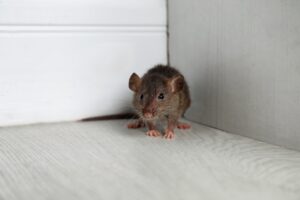
Why Do Pests Enter Homes During Winter?
During colder months, your home can become an attractive shelter for unwanted pests. Throughout New England and the Mid-Atlantic region of the United States, rodents, wildlife, and other pests like to migrate indoors for food or safe nesting areas during the winter.
Rodents and pests can get inside through foundation cracks, gaps around pipes, damaged vents, openings around windows, and even small spaces along the roofline. Once they’re inside, they can contaminate food, damage your home, or establish infestations that are difficult to control.
Here are six common winter pests to watch for in the Northeast, where they hide, and how to prevent them throughout the winter.
6 Common Winter Pests Found in Homes
House Mice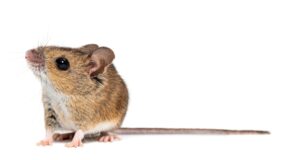
Mice are small, with grayish-brown fur, rounded ears, and long, thin tails. They remain active throughout winter and enter homes in search of food, water, and shelter.
One reason mice are so difficult to keep out is their small size, allowing them to squeeze through entry points as small as ¼ inch. Once inside, they often nest in attics, wall voids, basements, and behind appliances. They may also chew through insulation, packaging, and electrical wiring.
Signs of mice in your home include:
- Small, dark droppings in cabinets, drawers, or along walls
- Scratching or scurrying sounds, particularly at night
- Gnaw marks on food packaging, wood, or other materials
- Shredded paper, insulation, or fabric used for nesting
- A persistent musky odor in enclosed spaces
Prevention Tip: Seal accessible openings with rodent-resistant materials, and store pantry foods and pet food in tightly sealed containers.
Rats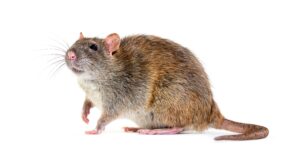
Rats are larger than mice and can cause significant problems when they establish themselves inside a home. Norway rats are common throughout the Northeast and typically have stocky bodies, blunt noses, and relatively short tails.
Rats may enter through damaged vents, foundation openings, and gaps around utility lines. Once inside, they can contaminate stored food, damage insulation, and gnaw on building materials.
Signs of rats in your home include:
- Larger, capsule-shaped droppings
- Gnaw marks on wood, plastic, or stored materials
- Scratching or movement inside walls and ceilings
- Burrows near foundations or outdoor structures
- Greasy rub marks along frequently traveled routes
Prevention Tip: Tightly cover garbage in containers, remove accessible food, and inspect the lower exterior of your home for burrows and openings. Address potential entry points using appropriate rodent-resistant materials.
Squirrels
Squirrels are common around residential properties throughout New England and the Mid-Atlantic. They can enter homes through attics or other protected spaces to nest or escape harsh conditions. Eastern gray squirrels are especially common and can access rooflines from nearby tree branches and enter through damaged soffits, roof vents, fascia, or existing openings.
Unlike mice and rats, squirrels are primarily active during the day. This can help homeowners distinguish squirrel activity from other rodents.
Signs of squirrels in your attic include:
- Scratching, running, or thumping noises during daylight hours
- Chewed openings near the roofline
- Nesting materials in attic spaces
- Damage to insulation or wiring
Prevention Tip: Trim branches that provide easy access to your roof. If you suspect squirrels are already inside, have the situation assessed before sealing openings to avoid trapping animals in your home.
Stink Bugs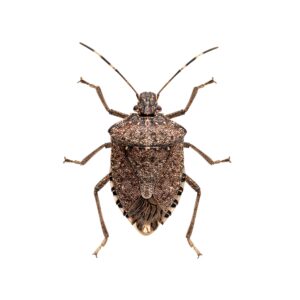
Brown marmorated stink bugs are common overwintering insects in the Northeast and Mid-Atlantic. They have shield-shaped bodies, mottled brown coloring, and a distinctive odor when disturbed or crushed.
Unlike rodents, stink bugs generally don’t enter homes to find food. Instead, they seek protected places to spend the winter, often moving indoors during late summer and fall. They slip through gaps around windows, doors, siding, and utility openings, then settle into attics and wall voids. On warmer winter days, some may emerge into living spaces, especially near sunny windows.
Signs of stink bugs in your home include:
- Shield-shaped insects gathering near windows or light fixtures
- Individual bugs appearing indoors during warm winter afternoons
- An unpleasant odor when the insects are disturbed
Stink bugs in winter are primarily an indoor nuisance. They do not typically reproduce inside homes or cause structural damage.
Prevention Tip: Seal gaps around windows and doors. If you find stink bugs, gently collect them with a vacuum rather than crushing them.
Cockroaches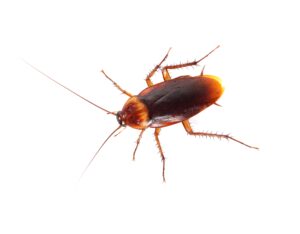
Cockroaches are a year-round pest problem, but they can remain active inside heated homes throughout winter. Many household cockroaches live and reproduce indoors rather than entering specifically to escape cold weather.
German cockroaches are among the most common indoor species. They are small, light brown insects with two dark stripes behind their heads. They prefer locations where food, water, and shelter are readily available and may hide behind appliances, under sinks, inside cabinets, and around plumbing.
Signs of cockroaches in your home include:
- Live cockroaches, particularly at night
- Small, dark droppings or spotting near hiding places
- Egg cases or shed skins
- A persistent musty odor associated with larger infestations
Cockroaches can contaminate food and surfaces, and their droppings and shed body parts can trigger allergies or asthma symptoms in sensitive individuals.
Prevention Tip: Clean up food spills promptly, store food in sealed containers, fix leaking pipes, and reduce clutter around kitchens and bathrooms. Recurring sightings should be investigated because cockroaches reproduce indoors.
Asian Lady Beetles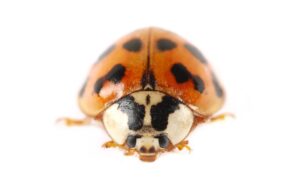
Asian lady beetles are often mistaken for native ladybugs. They are slightly larger, their coloring ranges from yellow-orange to red, and many have a distinctive dark marking behind the head that resembles an “M” or “W.”
These beetles commonly gather on sunny exterior walls during fall before entering buildings through small cracks and gaps. They may spend winter inside attics, wall voids, and other protected spaces. When indoor temperatures are warm, the beetles may emerge near windows and ceilings.
Signs of Asian lady beetles in your home include:
- Groups of orange, red, or yellow beetles near windows
- Beetles appearing indoors on sunny winter days
- Yellowish stains or an unpleasant odor when the insects are disturbed
Asian lady beetles are primarily nuisance pests indoors. They do not typically reproduce inside homes or damage structural materials.
Prevention Tip: Repair damaged window screens, seal exterior gaps, and inspect openings around siding and rooflines. Vacuum visible beetles rather than crushing them, which can release odor and staining fluids.