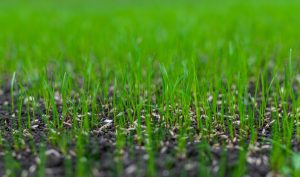
You’ve aerated and overseeded your lawn. Now it’s time to wait for the grass to grow.
How long does grass seed take to grow in the fall? The answer depends largely on the type of grass seed and the growing conditions. Some cool-season grasses can begin germinating in about a week under favorable conditions, while others may take two weeks or longer.
Here’s what to expect after fall seeding and what may be happening if you’re still waiting for new grass to appear.
Germination Is Only the Beginning
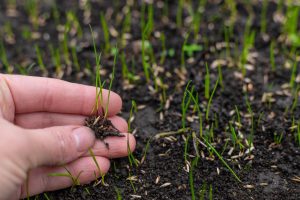
There’s an important difference between germination and establishment.
Germination begins when a seed starts developing into a new plant. Eventually, you’ll see the first small blades of grass emerge from the soil.
Those blades are still young seedlings. After germination, the grass needs additional time to develop roots, mature, and become established.
How Long Does Grass Seed Take to Germinate?
Different types of cool-season grass germinate at different rates. Ned’s Lawn Treatment uses Turf Type Tall Fescue (TTTF) grass selected for its adaptability to a range of lawn conditions.
These are general ranges. Cooler temperatures, too little or too much moisture, and other conditions can stretch them out.
What Should You Expect After Fall Seeding?
One of the hardest parts of seeding is that there isn’t much to see at first.
The First Week
You may see little or no visible change.
Faster-germinating grasses like perennial ryegrass can start emerging toward the end of the week in good conditions.
Around Two Weeks
New grass may become much more noticeable.
Turf Type Tall Fescue typically appears within the first two weeks, while slower varieties like Kentucky bluegrass may just be emerging.
Three to Four Weeks
More seedlings may emerge, and previously germinated grass will continue developing.
If the seed mixture contains slower-germinating varieties, the appearance of the lawn may continue changing during this period.
Beyond the First Month
New grass continues developing its roots and becoming established.
Colder weather later in the fall can slow that process, so what you see a few weeks after seeding isn’t necessarily what the lawn will look like once it matures.
Why Is My New Grass Growing Unevenly?
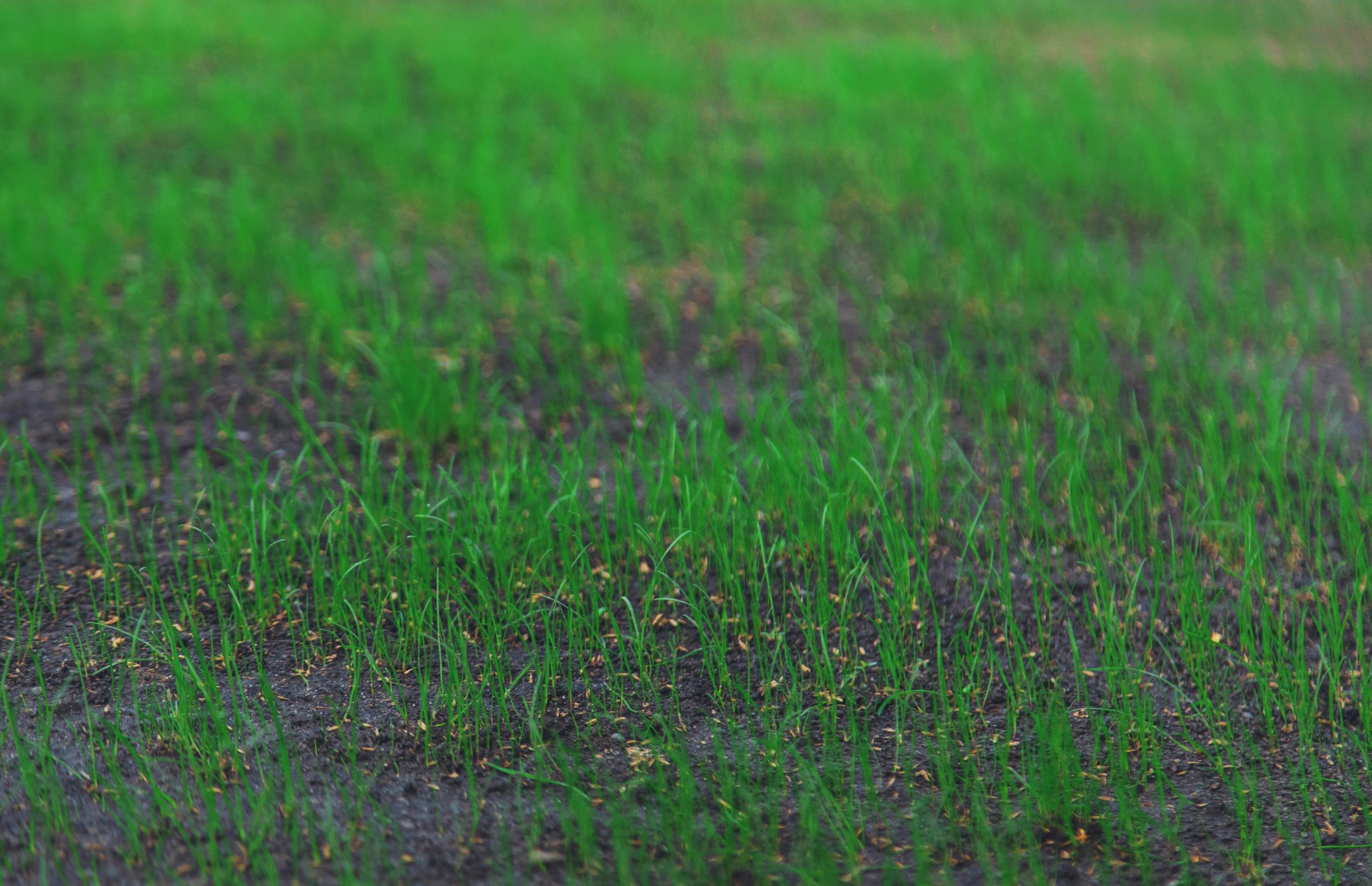
Uneven growth is common after overseeding and doesn’t automatically mean something went wrong.
A few factors can affect how quickly grass seed germinates:
Grass Variety
If your lawn was seeded with a mixture, faster varieties such as perennial ryegrass and TTTF emerge before slower ones such as Kentucky bluegrass. This can leave growth looking patchy early on.
Soil Temperature
Grass seed responds to soil temperature, not just air temperature. Cool-season grass seed generally germinates best when soil temperatures are 50°F–70°F. Seed put down earlier in the fall usually has warmer soil to work with. As soil cools later in the season, germination slows. Slower growth in cold weather doesn’t mean the seed has failed.
Moisture
Seeds need adequate moisture to germinate. We usually recommend watering for 10–15 minutes, up to twice a day, preferably early in the morning, for 30 days to support growth. Some areas of your lawn may also dry more quickly than others, contributing to differences in growth.
Sun and Shade
Sunny and shaded areas grow differently, and grass types vary in how well they handle shade. TTTF can perform in both sunny and partially shaded areas.
Seed-to-Soil Contact
Seed needs contact with the soil to germinate. That’s one reason Aeration & Overseeding are often paired. Aeration opens up the lawn and helps seed reach the soil.
When Should You Be Concerned If Grass Seed Isn’t Growing?
If you’re still within the expected germination window for your grass type, give it more time. Slower varieties can take up to three weeks to emerge, even in good conditions.
If it’s been longer than that and a patch is still bare, start by checking moisture and seed-to-soil contact in that spot. Those are the most common reasons for a slow area. Keep in mind that seed put down late in the season can take longer. If you’re not sure what’s going on, our lawn team can help you figure out next steps.
Give New Grass Time to Develop
Fall grass seed doesn’t follow one universal schedule. Even after seedlings emerge, the grass still needs time to develop roots and become established.
Wondering what to do while you wait? Read our article, What to Do After Aeration & Overseeding, for guidance on watering, mowing, foot traffic, and caring for your newly seeded lawn.
You can always contact Ned’s Lawn Treatment. Our trained team members are experts on New Jersey, Pennsylvania, Delaware, and Maryland lawns and are here to answer your questions.