
Most people know that ticks can spread diseases like Lyme disease, but certain tick bites have also been linked to something very different. Alpha-gal syndrome (AGS) is an allergy to red meat and other products made from mammals, and in the United States, it is most often associated with bites from the lone star tick.
What is Alpha-Gal Syndrome?
Alpha-gal syndrome is a potentially life-threatening allergy to a sugar molecule called alpha-gal, which is found in most mammals.
People with AGS can experience allergic reactions after eating certain types of meat, including beef, pork, lamb, and venison. Some people may also react to other products that contain alpha-gal.
Unlike a typical food allergy, AGS can develop after a tick bite. According to the Centers for Disease Control and Prevention (CDC), a tick can transfer alpha-gal through its saliva when it bites. In some people, this can trigger an immune response that leads to an allergy.
Not everyone who is bitten by a tick will develop Alpha-gal syndrome, and researchers are still working to understand why some people develop the condition and others do not.
How Are Ticks Connected to Alpha-Gal Syndrome?
In the United States, the lone star tick is the tick most often associated with Alpha-gal syndrome.
Lone star ticks are widely distributed throughout the Northeast, South and Midwest. Adult females are recognizable by the white dot, or “lone star,” on their backs, but younger ticks can be much harder to identify.
While the lone star tick has the strongest association with AGS in the U.S., it isn’t the only tick being studied. The CDC has also reported a small number of cases following bites from blacklegged and western blacklegged ticks.
Lone star ticks are aggressive human biters and can be found in many of the same outdoor areas people regularly spend time.
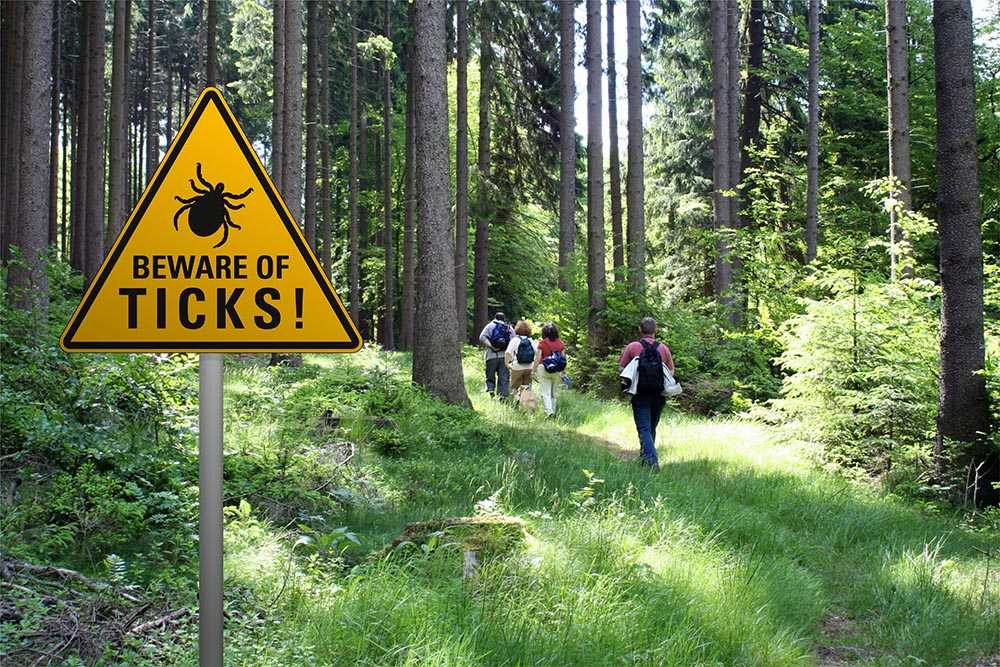
Where Could You Encounter Ticks?
You don’t have to be hiking deep in the woods to come across a tick.
Ticks generally favor grassy, brushy, and wooded environments, and encounters can happen close to home. Gardening, doing yard work, playing outside, or simply spending time in your backyard can put you in areas where ticks may be present.
Around a property, pay particular attention to:
- Tall grass and overgrown vegetation
- Leaf litter
- Brush and wooded edges
- Shaded areas with dense vegetation
- Areas frequently visited by wildlife
Ticks don’t jump or fly. Instead, they wait on vegetation and other surfaces for a person or animal to pass close enough for them to grab on.
How Can You Reduce Ticks Around Your Yard?
Professional tick control can help manage tick activity around your property, and there are also steps you can take to make your yard less inviting to ticks.
Start with basic yard maintenance. Remove leaf litter, keep grass mowed, and clear tall grass and brush around your home and along the edges of your lawn. Keeping frequently used outdoor spaces away from wooded or overgrown areas can also help reduce opportunities for contact with ticks.
The CDC also recommends creating a barrier of wood chips or gravel between lawns and wooded areas to help limit tick movement into the parts of the yard where people spend time.
Wildlife is another consideration. Deer, rodents, and other animals can carry ticks onto a property. Taking steps to discourage unwanted wildlife from regularly entering or settling around your yard can be another part of managing tick activity.
These measures won’t create a tick-free yard, but they can help reduce favorable tick habitat around the areas you use most.
Protecting Yourself From Tick Bites
Property maintenance is only one part of reducing tick exposure. Even with steps to reduce tick habitat around your property, it’s important to take precautions when spending time outdoors.
The CDC recommends:
- Using an EPA-registered insect repellent
- Wearing appropriate protective clothing when entering areas where ticks may be present
- Checking your clothing, gear, and pets after spending time outdoors
- Showering after coming indoors
- Checking your body carefully for ticks
Ned’s Pest Control Pro Tip: What To Do After A Tick Bite
Where Does Professional Tick Control Fit In?
Yard maintenance can help reduce the places ticks are likely to live, but it may not be enough to manage tick activity across your property.
Professional tick control targets areas where ticks are most likely to live and travel, including lawn edges, landscaping, shaded areas, and the borders between lawns and wooded or brushy areas.
Because ticks can continue to enter your yard on wildlife and from surrounding areas, ongoing treatments can help manage tick populations throughout the season. Combined with regular yard maintenance and personal precautions, professional tick control provides another layer of protection for the outdoor spaces around your home.
A Small Pest With a Big Impact
Ticks may be small, but the health concerns associated with their bites continue to grow.
Alpha-gal syndrome is one example of why tick awareness matters. Understanding the connection, knowing where ticks may be present, and taking steps to reduce exposure can help you be more prepared when spending time around your own property.