Tick bites are easy to miss. They don’t hurt when they attach, and by the time you notice one, it may have been there for a while. If you’ve found a tick on yourself, your family member, or your pet, the good news is that most bites are manageable when handled calmly and correctly.
This season, they’re also more common than usual. During the second week of April, tick-related emergency room visits were up 136% compared to a typical year.
Here’s what to do after a tick bite and how to tell if it’s part of a recurring problem around your home.
How to Tell If It’s a Tick
Knowing what to do after a tick bite starts with identifying one. Ticks are small and can be mistaken for a speck of dirt, a small scab, or a skin tag, especially when they’re newly attached.
Here’s what to look for: 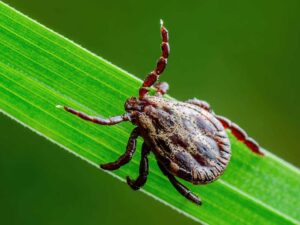
- Size: Ticks range from about the size of a sesame seed to an apple seed, depending on species and how long they’ve been feeding
- Shape: Oval and flat before feeding, rounder and darker after
- Attachment: A tick won’t brush off and will be firmly attached to the skin
- Location: Common spots include the scalp, behind the ears, underarms, groin, behind the knees, and between the toes
If you’re unsure, take a closer look before trying to remove it.
How to Remove a Tick Safely
Proper removal matters. The goal is to get the tick out cleanly, without squeezing or breaking it. Follow these steps on how to remove a tick safely.
- Use fine-tipped tweezers. Not your fingers, and not a match or petroleum jelly
- Grip as close to the skin as possible. You want to grab the tick’s head, not its body
- Pull upward with steady, even pressure.
- Clean the area with soap and water or rubbing alcohol.
- Check for additional ticks.
What to Do After Removal
Once the tick is out, keep an eye on the bite site and how you or your family member feels over the next few days. Most bites don’t lead to issues, but it’s reasonable to keep an eye on any changes and contact a healthcare provider if something doesn’t seem right.
If possible, take a photo of the tick. It can be helpful if questions come up later.
If You’re Finding Ticks More Than Once
A single tick bite can happen to anyone. But repeated bites are different.
If ticks are showing up on your kids after playing outside, on your dog after time in the yard, or on you during routine outdoor activity, it usually points to a consistent source nearby.
Ticks don’t move far. They wait in vegetation and attach when something passes by. If encounters keep happening, the conditions around your home are likely making contact easy.
Why Ticks Tend to Concentrate Around the Home
Ticks thrive in specific environments, and residential yards often check multiple boxes:
- Shaded, damp areas under trees or along fence lines
- Tall grass and overgrown edges
- Leaf litter and debris
- Property borders where your lawn meets woods or dense shrubs
- Areas pets move through regularly
Ticks don’t need to be everywhere to create repeated exposure. A few concentrated hotspots can be enough to drive repeated contact.
Reducing Tick Exposure Around Your Property
Basic yard habits can reduce contact points:
- Keep grass trimmed and edges maintained
- Remove leaf piles and debris, especially near play areas
- Create a buffer between wooded borders and lawn space where possible
- Check kids and pets after time outside, especially in warmer months
These steps help, but they can be limited on larger properties or where surrounding conditions are harder to control.
When It’s Time to Do More
You now know what to do after a tick bite, but if you’re keeping up with basic yard maintenance and still finding ticks, the issue is likely coming from areas that are harder to control, like wooded edges, dense vegetation, or places wildlife moves through regularly.
At that point, basic prevention steps may not be enough on their own.
Targeted tick treatments focus on the parts of your property where ticks actually live, not just open lawn space. Applied throughout the season, they help reduce tick activity at the source and limit repeat exposure.
At Ned’s Home, our pest control team uses tailored treatments designed to reduce tick activity in the specific parts of your property where contact is most likely. The goal is to reduce tick activity over time so your yard is easier to use without having to think about it.