The first signs of mice in your house may appear before you ever see a mouse. Droppings, gnaw marks, scratching sounds, nesting material, and unusual odors can all point to mouse activity.
Recognizing those clues early can help you determine where mice may be traveling or nesting and whether the activity is continuing.
Seven Common Signs of Mice in the Home
1. Mouse Droppings
Mouse droppings are typically about 1/8 to 1/4 inch long, dark pellets that may be pointed at the ends. Their presence confirms that a rodent accessed the area, but droppings alone may not reveal whether activity is current.
2. Gnaw Marks and Damaged Food Packaging
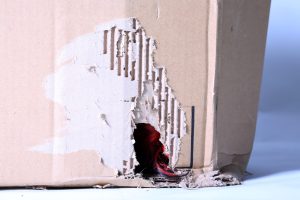
Mice gnaw on food packaging, cardboard, paper, wood, and other materials. Tooth marks, ragged edges, small holes, or fresh debris can all indicate chewing.
Older damage shows that rodents were present at some point. New damage after cleanup may indicate that activity is continuing.
3. Scratching or Scurrying Sounds
Repeated scratching, scurrying, or light gnawing sounds can indicate movement or chewing. These noises are often easier to notice when the home is quiet.
4. Shredded Nesting Material
Mouse nests are commonly made from shredded paper, fabric, insulation, dried plant material, and other soft materials. A concentrated pile of these materials, especially when combined with droppings or gnawing, may indicate a nesting area.
5. Stale or Unusual Odors
A persistent musky or stale odor can develop when mouse urine, droppings, or nesting material accumulate. Odor alone does not identify the source, but a strong or worsening smell combined with other evidence warrants further investigation.
6. Chewed Openings and Possible Entry Points
Check around pipes, utility lines, vents, doors, baseboards, cabinets, and the points where walls meet floors. Small gaps or holes with rough, chewed edges may show where mice are entering or moving through the home.
According to the CDC, mice can fit through an opening about 1/4 inch wide, roughly the width of a pencil. The opening you find may not be the only one, so inspect nearby areas as well.
7. A Live or Dead Mouse
Seeing a mouse confirms that one found a way inside. Treat it as a reason to inspect the surrounding area, look for additional evidence, and identify how the mouse may have entered.
When to Check for Signs of Mice
Signs of Mice in the Kitchen
Begin with cabinets, drawers, pantries, the area beneath the sink, and the spaces behind the stove and refrigerator. Look for droppings, damaged food packaging, crumbs that appear disturbed, gnaw marks, and gaps around plumbing lines. Because kitchens provide food and water, even subtle evidence deserves attention.
Signs of Mice in Walls
Repeated scratching or movement sounds inside a wall may indicate activity, especially when paired with droppings near baseboards, gaps around pipes or cables, gnaw marks, or a persistent odor. The sound may travel through the structure, so the place where you hear it is not always the exact nesting location.
Signs of Mice in the Attic
In an attic, check along edges, near stored boxes, around insulation, and close to roof or vent openings. Droppings, shredded or disturbed insulation, gnawed boxes, damaged wiring, and movement sounds overhead may point to mouse activity. Avoid disturbing dry nesting material or droppings before reviewing safe cleanup guidance.
Signs of Mice in Basements, Garages, and Crawl Spaces
These lower-traffic spaces can provide shelter and access to stored food, birdseed, grass seed, pet food, cardboard, and nesting material. Inspect along walls, near doors, around utility penetrations, behind stored items, and close to water sources.
Signs of a Bad Mice Infestation
No single clue can tell you the exact size of a mouse population. The overall pattern is more useful. Evidence that may point to a more established or widespread problem includes:
- Fresh droppings that return after an area has been safely cleaned
- New gnawing or food-package damage after the original evidence was removed
- Evidence in multiple rooms, floors, or separate parts of the home
- Repeated sightings or continued activity over several days
- Several nesting areas, a strong persistent odor, or extensive contamination
- Activity inside ductwork, wall voids, contaminated insulation, or other inaccessible areas
A daytime sighting can be concerning, but the time of day alone does not reveal the size of the problem. Look at the full pattern of sightings, waste, damage, nesting material, and continued activity.
What to Do if You Find Signs of Mice
Do not ignore new evidence or disturb contaminated material without taking precautions. Start with these steps:
Clean Droppings and Nesting Material Safely
Do not sweep or vacuum dry rodent droppings, urine, or nesting material. Before cleaning, the CDC recommends opening doors and windows for at least 30 minutes to ventilate the area and leaving the area while it airs out.
Wear rubber or plastic gloves and thoroughly wet the contaminated material with a household disinfectant or recommended bleach solution. Let it soak for the directed time, then wipe it up with paper towels.
Check Whether the Activity Continues
After safe cleanup, monitor the area for fresh droppings, new gnaw marks, disturbed packaging, or additional sounds. Reappearing evidence is a clearer indication that mice are still active than old evidence alone.
Know When to Call the Professionals
Professional help is appropriate when evidence returns, activity appears in several areas, the entry point is difficult to locate, or mice may be inside walls, ducts, insulation, or other inaccessible spaces. A professional inspection can assess more than the evidence visible in one room.
Don’t Ignore Signs of Mice in Your Home
Finding droppings, gnaw marks, nesting material, or other signs of mice means a rodent has accessed your home. The next step is determining where the activity is coming from and how mice may be getting inside.
Ned’s Pest Control can inspect your property for signs of rodent activity and potential entry points, then recommend next steps based on what we find.
Learn more about our Rodent Control services or request a free quote.