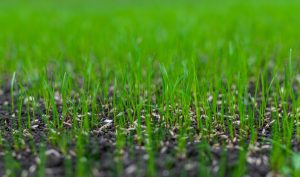
Is your lawn starts showing signs of stress?
A healthy lawn looks good on the surface, but its true strength lies underground — in the roots. Over time, soil becomes compacted, thatch builds up, and your lawn starts showing signs of stress. That’s when aeration makes all the difference.
Not sure if your yard is due? Here are 5 unmistakable signs that your lawn needs aeration this season.
1. Water Pools on the Surface
If rainfall or irrigation collects in puddles instead of soaking into the ground, your soil is compacted. Roots are essentially “suffocating,” unable to access water. Aeration opens up pathways so moisture penetrates deep into the root zone.
2. Thick Thatch Buildup
Thatch — the spongy layer of dead roots and stems — isn’t always bad, but when it’s thicker than ½ inch, it blocks air, water, and nutrients. Aeration breaks through thatch, mixing it into the soil where it can decompose naturally.
3. Thin, Patchy, or Yellowing Grass
Even with regular watering and fertilizer, a compacted lawn often struggles to grow evenly. Thin, weak, or discolored patches are a common symptom. Aeration restores balance by improving nutrient flow and encouraging stronger root growth.
4. Heavy Foot Traffic or Clay Soil
Play areas, pet paths, and gathering spots are especially prone to compaction. Add New Jersey’s clay-heavy soils into the mix, and roots can’t expand. Aeration relieves that pressure, giving your lawn room to recover.
5. Your Lawn Hasn’t Been Aerated in Over a Year
Even if you don’t notice obvious issues, compacted soil happens gradually. If it’s been more than a year since your last aeration — or if you’ve never had it done — your lawn will benefit from the treatment.
Think of aeration as annual maintenance, like changing the oil in your car. Skipping it may not cause immediate damage, but over time, problems stack up.
Why Fall Is the Best Time to Aerate
Fall provides the perfect recovery window:
- Warm soil + cool air = root growth without stress
- Seasonal rainfall supports healing
- Overseeding can be paired for denser turf
- Prepares your lawn for winter dormancy and a greener spring
DIY vs Professional Aeration
Spike aerators may look easy, but they don’t actually solve compaction — they just poke holes, which can make it worse. Core aeration, which removes plugs of soil, is the gold standard.
Professional equipment ensures consistent depth, proper spacing, and full-lawn coverage.
Why Homeowners Trust Ned’s Lawn Treatment
✅ Local expertise with Northeast soils
✅ Pro-grade aeration equipment
✅ Combination services: aeration + overseeding + fertilization
✅ Aftercare guidance to keep results lasting
Don’t Wait — Act This Fall
If your lawn shows any of these 5 signs, aeration isn’t optional — it’s essential. Ignoring compaction now means weaker roots, bare patches, and slower growth next spring.
Contact Ned’s Lawn Treatment today to schedule your fall aeration service. Let’s give your lawn the breathing room it needs to thrive.