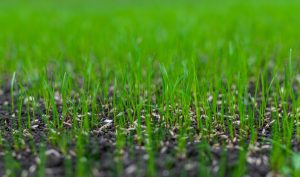
Why Overseeding Matters
Even the healthiest lawns thin out over time. Heat, heavy use, and seasonal stress leave bare patches that weeds are eager to claim. Overseeding is the simple, science-backed solution: adding fresh seed into existing turf to restore thickness, improve color, and boost resilience.
At Ned’s Lawn Treatment, we call overseeding the reset button for your lawn — and fall is the season when it works best.
The Fall Advantage
Overseeding is possible in spring, but fall is superior for several reasons:
- Cooler days + warm soil: Seeds germinate quickly without heat stress.
- Lower weed competition: Fewer weeds means seedlings grow stronger.
- Consistent rainfall: Nature helps with early watering needs.
- Winter prep: New roots establish before dormancy, then burst with growth in spring.
This “sweet spot” usually runs from late August through early October in New Jersey.
Step 1: Evaluate Lawn Condition
Before seeding, we inspect your yard:
- Are there thin or patchy spots?
- Does the soil feel compacted?
- Is there more than ½ inch of thatch buildup?
Knowing the answers ensures we don’t just sprinkle seed but address the reasons your grass struggled.
Step 2: Mow Low & Bag Clippings
We recommend mowing to 1.5–2 inches and removing clippings. This clears the way for seed-to-soil contact, which is critical for germination.
✅ Tip: A sharp mower blade prevents damage to existing grass.
Step 3: Address Thatch
Thatch — the spongy layer of dead grass and roots — blocks water and seed from reaching soil. If it’s more than ½ inch thick, dethatching is a must. Our technicians can determine if your lawn needs this step before overseeding.
Step 4: Aeration — Overseeding’s Secret Weapon
Aeration creates thousands of small holes across your lawn, which:
- Relieve soil compaction
- Improve water and nutrient flow
- Provide the perfect seedbed
Seeds fall directly into these holes, boosting germination rates and root strength. Overseeding without aeration often leads to weak results — which is why Ned’s recommends pairing them every fall.
Step 5: Choose the Right Seed Blend
Not all grass seed is equal. For New Jersey lawns, cool-season varieties perform best:
- Perennial ryegrass – fast germination, bright green finish
- Tall fescue – durable, drought-tolerant
- Kentucky bluegrass – dense, carpet-like turf
At Ned’s, we create blends matched to your soil type, sun exposure, and yard use.
Step 6: Apply Seed Evenly
We use broadcast spreaders for large areas and handheld tools for precision in smaller spots. Even coverage ensures no clumping, no gaps.
Lightly raking helps settle seed into aeration holes — protecting against birds and wind while improving soil contact.
Step 7: Fertilize for Root Development
Starter fertilizers with phosphorus support root expansion. We avoid high-nitrogen blends at this stage, since they encourage leaf growth before roots are ready.
Step 8: Water Strategically
Watering makes or breaks overseeding success. Here’s a proven schedule:
- Weeks 1–2: Light watering 1–2x daily to keep topsoil moist.
- Weeks 3–4: Reduce frequency, increase depth.
- Weeks 5+: Water deeply 2–3x weekly to encourage deep roots.
Skipping the early stage is the #1 reason overseeding fails.
Step 9: Hold Off on Mowing
New grass should reach 3 inches before mowing. Then, follow the ⅓ rule: never remove more than a third of grass height in one cut.
Overseeding: DIY vs Professional Service
Homeowners can try overseeding, but results vary. Common mistakes include:
- Using the wrong seed mix
- Skipping aeration
- Applying uneven coverage
- Overwatering or underwatering
Ned’s removes the guesswork. Our technicians combine aeration, overseeding, fertilization, and local expertise for guaranteed density improvements.
Why Homeowners Choose Ned’s
✅ Decades of Northeast lawn expertise
✅ Custom seed blends designed for New Jersey conditions
✅ Professional-grade aeration equipment
✅ Full support with watering and mowing guidance
Ready to Refresh Your Lawn?
Fall overseeding is your chance to bring life back to thin, patchy turf — and ensure greener results come spring.
Contact Ned’s Lawn Treatment today to book your overseeding service. Spots fill quickly in September, and your lawn deserves the reset it needs.