
Military housing demands a higher standard from exterior maintenance vendors.
Third-party military housing managers operate under inspection requirements, contractor accountability standards, and documentation expectations that most vendors aren’t built to meet. Finding a partner who understands that environment and can perform consistently across a large portfolio is harder than it sounds.
Here is what to look for.
.
1. They can handle multiple services across a large portfolio
Managing exterior maintenance across dozens of properties through separate vendors creates documentation gaps, scheduling inconsistencies, and coordination overhead that become harder to manage across large portfolios. A partner who handles gutter cleaning and repairs, power washing, exterior window cleaning, and dryer vent cleaning under one roof consolidates that burden significantly. One call, one invoice, one documented maintenance record across your portfolio.
Bundling services also reduces unnecessary mobilizations and per-property costs, which matters when you’re managing maintenance budgets across a large number of units.
2. They employ their own crews and can prove it
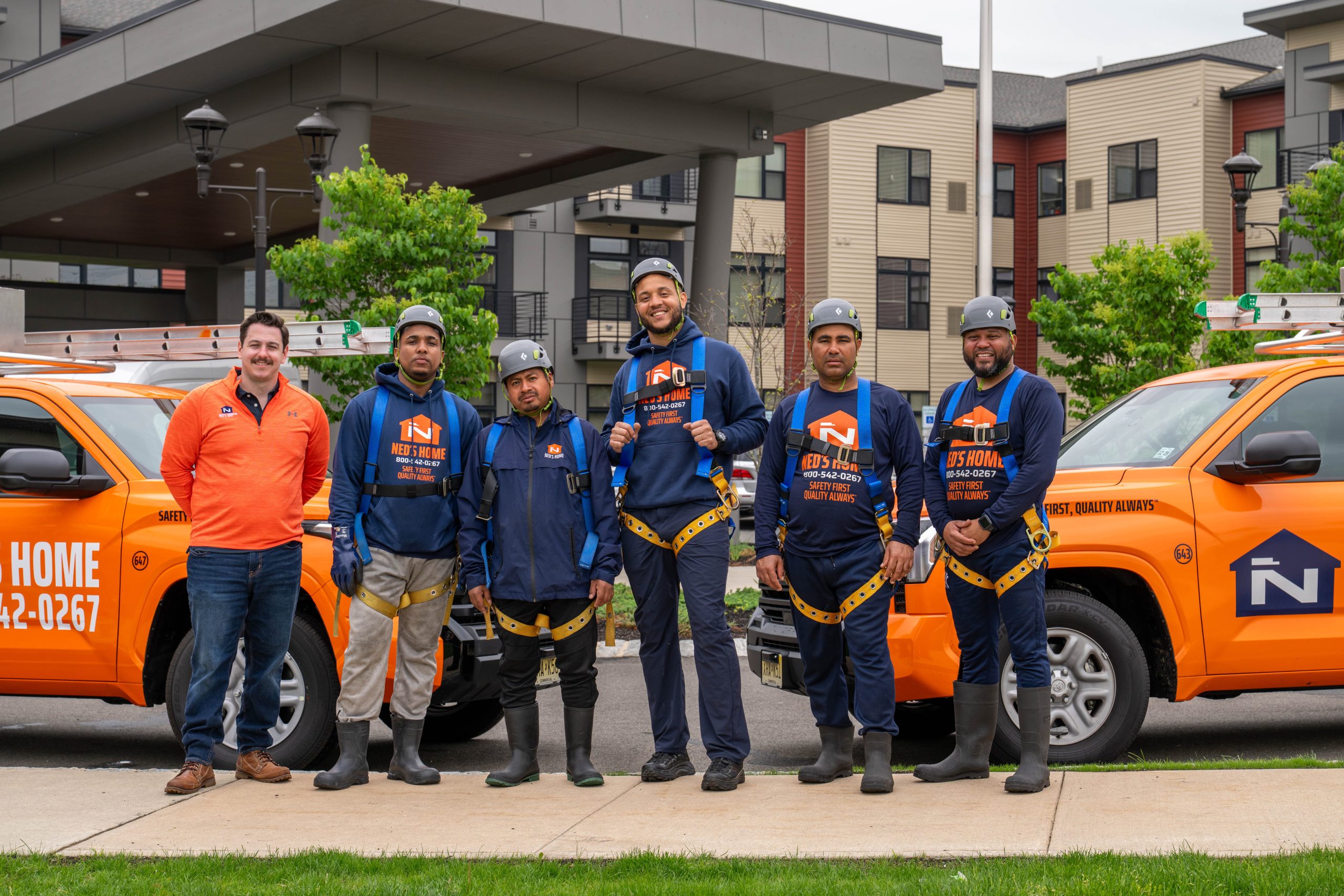
In military housing, who is on your property matters. Contractor accountability is not optional. Companies that rely on subcontractors introduce inconsistency in training, coverage, and standards that can surface during inspections or incidents at the worst possible time.
Ask any vendor whether the people doing the work are direct employees or subcontractors. Ask for proof of coverage. If the answer is unclear or slow to come, that tells you something important about how they operate.
3. They document without being asked
In a compliance-driven environment, undocumented maintenance is a liability. A good partner provides before and after photos and a dated invoice after every visit. That paper trail demonstrates consistent, proactive maintenance during inspections and audits, and gives operations teams something concrete to show when documentation is requested.
A vendor who doesn’t provide this automatically is shifting the administrative burden back onto your team.
4. They identify and report problems proactively
When a crew finds something during a service visit, a gutter that needs repair or a surface that warrants attention, you should receive a proposal before it becomes an inspection finding or an unplanned repair. Proactive issue identification keeps your properties ahead of compliance requirements rather than catching up to them.
5. They meet the compliance and insurance bar without exception
One partner means one Certificate of Insurance, one compliance record, and one vendor to hold accountable. For operations teams managing large portfolios with reporting obligations to ownership groups or government stakeholders, that simplicity is operationally significant.
Ask for COI documentation and proof of employee coverage upfront. How a vendor handles that request tells you whether compliance is built into their operation or assembled on request.
6. They understand what military housing actually requires
A vendor who has never worked in military housing will underestimate the standards required. Look for a partner who understands inspection cycles, habitability requirements, and the expectations that come with housing active-duty families. That context changes how they schedule, communicate, and prioritize across your portfolio.
What a good partner actually costs you
Less coordination overhead. Fewer documentation gaps. Fewer inspection findings tied to deferred or inconsistent maintenance. A portfolio that stays in better condition without requiring more of your team’s bandwidth to maintain it.
That is the standard worth holding any exterior maintenance partner to.
About Ned’s Commercial Services
Ned’s Commercial Services Ned’s Commercial Services was built to meet the operational and compliance demands that come with managing exterior maintenance across a large, multi-property portfolio.
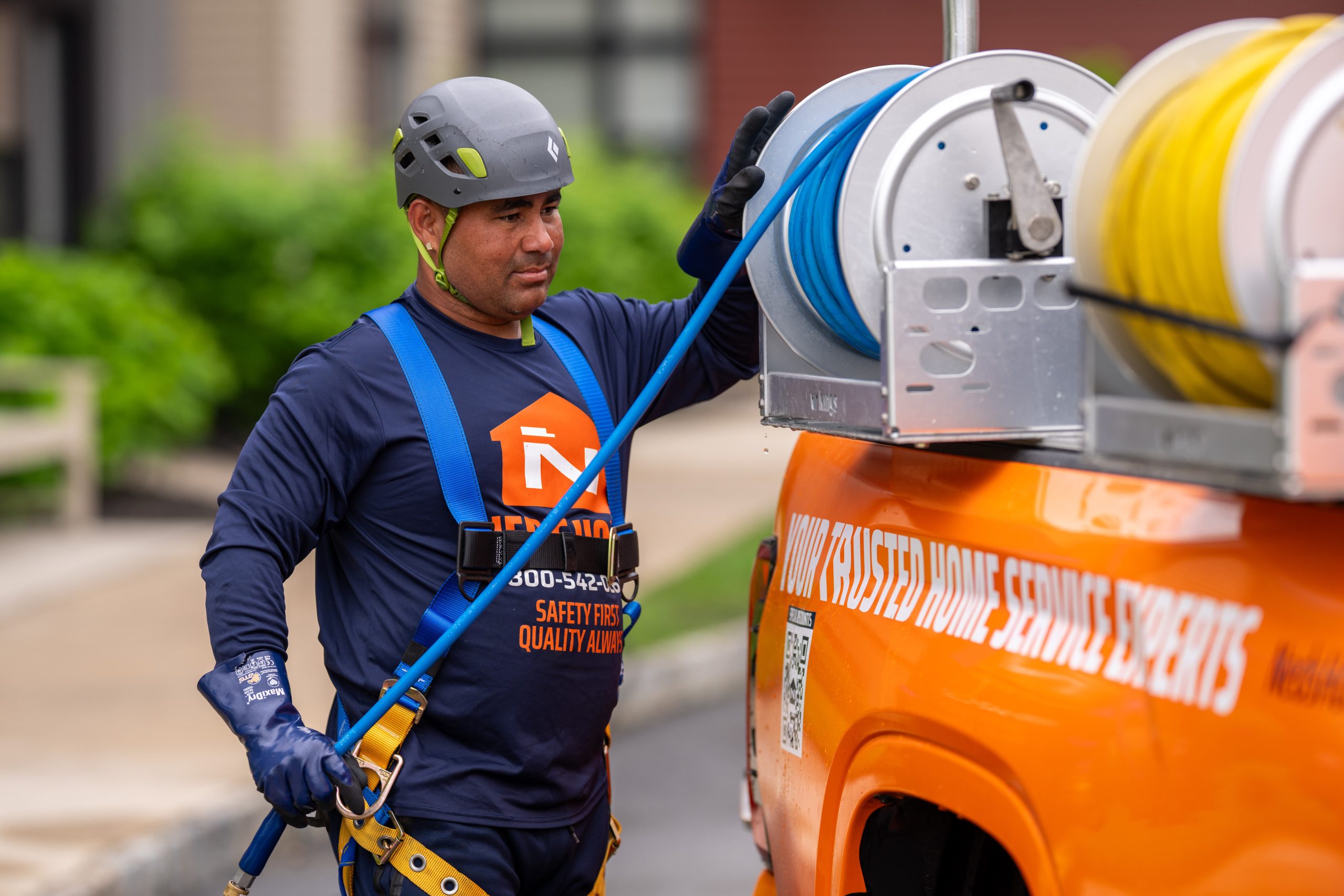
Gutter cleaning and repairs, power washing, exterior window cleaning, and dryer vent cleaning are handled by trained, in-house W-2 employees. No subcontractors. Our technicians receive ongoing safety training multiple times a year, pass required safety tests before working, and are subject to unannounced field safety checks by dedicated Safety Managers.
The same crews work across your portfolio over time, which means consistent standards, better property familiarity, and a maintenance record that holds up when it needs to.
Work with a partner built for the standards military housing requires.
If you’re evaluating exterior maintenance partners or looking to consolidate vendors across your portfolio, let’s talk about what working together looks like.