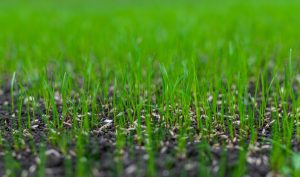
Early spring lawn preparation is the foundation for season-long success
Winter has a way of wearing down lawns.
Months of cold temperatures, snow cover, and freeze-thaw cycles affect soil, roots, and airflow. Even when the surface looks fine, underlying issues often show up once growth resumes.
Early spring lawn care is your opportunity to correct those conditions before they become larger problems.
What happens during the winter
Grass goes dormant in the winter, but the lawn continues to change. Snow and ice can sit on the surface for weeks, trapping moisture and limiting airflow. Repeated freezing and thawing stresses grass blades and roots, while heavy snow can compact the soil underneath.
By the time temperatures rise, your lawn may be dealing with restricted oxygen flow, weakened roots, and debris that slows new growth.
Signs of winter damage
As the ground starts to thaw, look for these common signs of winter stress:
- Snow mold: Circular patches of matted, gray, or pink grass caused by prolonged snow cover
- Soil compaction: Heavy snow can compress soil and restrict the flow of oxygen and nutrients
- Thinning turf: Cold snaps and temperature swings can weaken grass and leave it looking sparse
- Debris buildup: Leaves, sticks, and dead grass block sunlight and smother new growth
Not every issue requires immediate action, but identifying problems early allows you to respond appropriately.
Why early spring lawn care matters
Effective early spring lawn care focuses on preparation, not aggressive treatment. Most winter damage can be corrected. Patience and timing make the difference.
Jumping into aggressive treatments too early can do more harm than good, especially when the soil is still cold or wet. Early spring lawn care is about preparing conditions for growth, not forcing it.
Clearing space, reducing stress, and letting the lawn wake up naturally sets the stage for recovery.
Lawn spring cleaning tips
Once the lawn has dried out, a few practical steps can make a noticeable impact:
- Gently rake to remove debris and loosen matted grass
- Stay off the lawn while it’s soggy to prevent further compaction
- Hold off on aggressive fertilization or treatments until grass is actively growing
- Address bare or thinning areas once soil temperatures rise
- Schedule early-season services so timing doesn’t get away from you
These steps help your lawn transition smoothly from dormancy into active growth.
How we help
Our lawn care experts tailor plans to the specific conditions of your property. Early-season services are designed to strengthen turf, correct winter stress, and reduce issues later in the year.
Programs typically include seasonal fertilization, weed control, aeration and overseeding, and ongoing monitoring for pests and disease. Treatments are spaced throughout the year so adjustments can be made as weather and growth patterns shift.
The condition of your lawn this summer can be decided in early spring. Invest in it now, and your lawn responds with consistent, reliable growth.