Ice dams are often misunderstood by homeowners, especially when it comes to how they form and the type of damage they can cause.
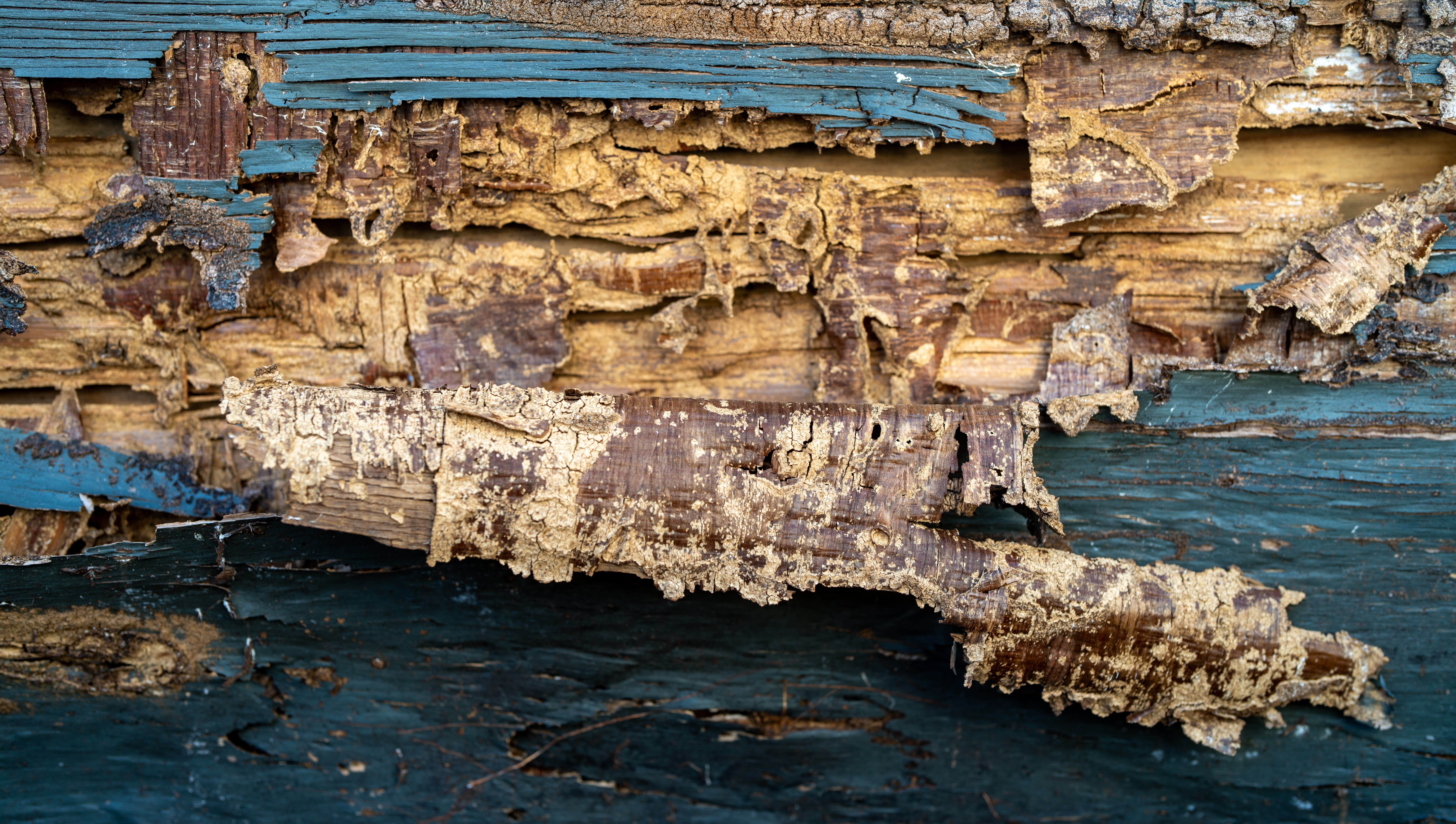
Ice dams develop when melting snow refreezes along colder areas of the roof and gutter system. As this freeze–thaw cycle repeats, ice can build up and prevent proper drainage. When water has nowhere to go, it can back up under shingles or behind fascia boards, leading to damage that often isn’t visible right away.
In many cases, the most serious issues appear days after a storm, once melting and refreezing has occurred multiple times.
Understanding these lesser-known ice dam risks and prevention steps can help homeowners better protect their roof, gutters, and home during winter.
It’s Not Just About the Amount of Snow
Ice dams can form even when there is little to no snow on your roof. While heavy snowfall can speed up the process, the real issue behind ice dams is freezing temperatures combined with repeated thawing and refreezing.
It doesn’t take much moisture to create an ice dam. Even small amounts of snow or freezing precipitation can lead to ice buildup that puts your home at risk for damage.
Ice Dams Can Form in Clean and Clogged Gutters
Ice dams can occur even when gutters are clean and recently serviced. While clogged gutters can make the problem worse by holding water and ice in place, ice dams can also form on homes without gutters at all.
Because of this, winter monitoring and ongoing maintenance remain important, even after a recent gutter cleaning.
Ice Alone Can Damage Gutters
Ice doesn’t need to form a full dam to cause damage. Ice buildup inside gutters can become extremely heavy over time.
A gutter filled with ice can bend, loosen, or pull away from the home, even without a visible ice dam forming. Removing ice buildup early can help prevent damage to your gutter system and surrounding areas.
Ice Dams Aren’t Always Easy to Spot
Not all ice dams are visible from the ground. While icicles hanging from the gutter line can be a sign of ice buildup, ice dams may also form in harder-to-see areas, such as near skylights or roof pan areas.
Roof slope also plays a role. Steeper roofs may tolerate thinner ice buildup, while lower-pitched roofs can experience damage from even a small amount of ice.
What Homeowners Can Do
While ice dams can be difficult to prevent entirely, there are steps homeowners can take to reduce the risk of damage.
Maintain your heating system
Regular heating system maintenance helps keep attic and roof temperatures consistent. When warm air escapes into the attic, it increases snowmelt, which can refreeze and contribute to ice dam formation. Have your system checked for any weak points that may unintentionally warm your attic.
Ensure proper attic insulation and ventilation
A properly insulated attic floor and adequate ventilation help maintain a uniform roof temperature. Sealing gaps in ceilings and preventing warm air leaks can reduce uneven melting that leads to freeze–thaw cycles.
Consider added roof protection in problem areas
Additional protective measures, such as water and ice shield installation under shingles at roof edges, chimneys, skylights, and vents, can help prevent water intrusion. In some cases, roof-edge heating cables may also be used to reduce refreezing in vulnerable areas.
These steps can help limit snowmelt and reduce freeze–thaw cycles that lead to ice buildup.
What to Do If You’re Affected
If you’re seeing signs of ice dam formation on your home, call the professionals at Ned Stevens Gutter Installation to have your gutters and roof checked for any possible issues.