Understanding the weeds that appear in lawns and the best time to control them
Every lawn gets weeds. Seeds travel through wind, soil movement, animals, and even mowing equipment. Many homeowners first notice them when yellow flowers or unfamiliar patches suddenly appear in an otherwise healthy lawn.
The key to controlling them is not just reacting when they appear. It’s understanding what types of weeds grow in lawns, when they tend to emerge, and when treatment is most effective.
With the right timing and a consistent lawn care plan, most weeds can be controlled before they spread across the lawn.
Why Weeds Appear in Lawns
Weeds tend to show up when grass is stressed or when the lawn has open space for them to grow. This is why weeds often appear first along sidewalks, driveways, and high-traffic areas where grass struggles to grow.
Common causes include:
- Thin or patchy grass
- Compacted soil
- Nutrient deficiencies
- Inconsistent mowing or watering
- Bare areas where grass has died off
Thick, healthy turf is one of the best natural defenses against weeds. Dense grass blocks sunlight from reaching weed seeds and leaves less room for weeds to establish themselves.
Common Lawn Weeds
Most lawn weeds fall into two main categories: broadleaf weeds and grassy weeds. Understanding the difference helps determine the right treatment approach.
Broadleaf Weeds
Broadleaf weeds have wider leaves that stand out from turfgrass. They are among the most common weeds found in residential lawns.
Some familiar examples include:
- Dandelions are one of the most recognizable lawn weeds. Their bright yellow flowers eventually turn into seed heads that spread easily with the wind. A deep taproot allows them to survive mowing and return year after year.
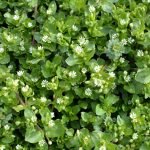
 Chickweed grows low to the ground and forms dense patches in thin areas of the lawn. It often becomes noticeable in early spring and spreads quickly in cool, moist conditions.
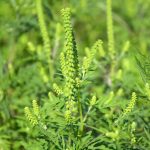
 - Ragweed grows upright and spreads easily in disturbed soil or thin turf areas. It is also known for triggering seasonal allergies.
- Broadleaf plantain grows in flat clusters close to the soil. Its wide leaves and strong root system allow it to survive heavy foot traffic and compacted soil.
Broadleaf weeds are typically treated using selective weed control products designed to target weeds without harming grass.
Grassy Weeds
Grassy weeds look similar to turfgrass but grow differently 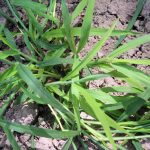 and spread quickly.
Crabgrass is one of the most common grassy weeds and is a summer annual weed that spreads outward in a low, star-shaped pattern. It thrives in hot weather and quickly fills in thin or stressed areas of the lawn.
Because crabgrass grows from seed each year, it is usually controlled before it appears with preventative treatments applied earlier in the season.
Cool-Season vs. Warm-Season Weeds
 Common lawn weeds also behave differently depending on the time of year they prefer to grow.
Cool-Season Weeds
Cool-season weeds tend to emerge in early spring or fall when temperatures are mild. Chickweed is a common example.
These weeds can spread quickly while grass is still recovering from winter dormancy.
Warm-Season Weeds
Warm-season weeds appear once soil temperatures rise in late spring and summer. Crabgrass is one of the most common warm-season weeds and spreads rapidly during hot weather.
Understanding when these common lawn weeds grow helps determine the best time to apply treatment.
Annual Weeds vs. Perennial Weeds
Another important difference is how long weeds live.
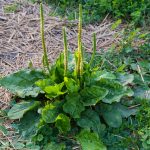 Annual weeds complete their entire life cycle within one growing season. They grow from seed, spread, and die in the same year. Crabgrass is a common example.
Perennial weeds, such as dandelions and plantain, return year after year because their root systems survive underground through winter.
Because of this, perennial weeds often require repeated treatment to fully eliminate them.
Peak Weed Season in Lawns
Different weeds appear at different points during the growing season.
- Early spring: broadleaf weeds like chickweed and dandelions begin emerging
- Late spring: crabgrass seeds begin to germinate
- Summer: weeds spread quickly in thin or stressed areas of the lawn
- Fall: cool-season weeds may appear again before winter
Because of these cycles, effective weed control usually involves multiple treatments throughout the season, not just a single application.
Weed Control Works Best as Part of a Lawn Care Plan
Spot-treating weeds can help reduce visible growth, but most lawns benefit from a consistent approach to weed control.
Our specialized lawn care programs combine weed treatments with fertilization and other services that strengthen turf and improve lawn density.
When grass grows thicker and healthier, it naturally crowds out many weeds before they can spread.
Keeping Weeds Under Control
Weeds are a normal part of lawn care, but they don’t have to take over your yard.
Understanding what types of common lawn weeds and when they grow is the first step toward controlling them. With the right timing and consistent care, most lawns can stay thick, healthy, and far less vulnerable to weeds.
If weeds are becoming a regular problem in your lawn, a professional treatment plan can help bring it back under control and keep it looking its best throughout the season.